Find Your Perfect English Learning Channel
Answer 3 quick questions to get a personalized recommendation from our curated list of top educators.
Recommended Channels
Based on the article's advice, follow this routine:
- 1 Select: Pick one video from the recommended channel above.
- 2 Watch (No Subs): Test your listening comprehension first.
- 3 Watch (Subs On): Catch missed words and phrases.
- 4 Note-taking: Write down 5 new words or expressions.
- 5 Shadowing: Repeat sentences mimicking the speaker's speed.
Scrolling through YouTube can feel like searching for a needle in a haystack. You want to improve your English speaking skills, but there are thousands of videos promising fluency overnight. Which ones actually work? Which teachers understand the struggles of non-native speakers? The truth is, no single channel fits every learner. Your needs depend on whether you are preparing for an IELTS exam, trying to sound natural in casual conversation, or needing help with business presentations.
In this guide, we break down the top YouTube channels for learning English in 2026. We categorize them by their specific strengths so you can pick the right tool for your goals. Whether you need strict grammar rules or relaxed slang tips, there is a creator here for you.
Why YouTube Is a Powerful Tool for Language Learning
Before picking a channel, it helps to understand why video content works better than textbooks for many learners. Language is not just about vocabulary; it is about rhythm, intonation, and body language. Textbooks give you the words, but they cannot show you how a native speaker raises their eyebrows when asking a question or how they link words together in fast speech.
YouTube provides authentic exposure. You hear different accents from around the world-American, British, Australian, Indian, and more. This variety prepares you for real-world interactions where you won't always meet someone with the 'standard' accent you heard in a classroom. Plus, most high-quality English learning channels offer structured playlists. You can follow a curriculum from beginner to advanced levels without paying a cent.
Is free English learning on YouTube as effective as paid courses?
For self-motivated learners, yes. Free channels provide excellent input and strategies. However, paid courses often offer personalized feedback, which is crucial for correcting pronunciation errors that you might not notice yourself. Use YouTube for input and practice, and consider paid tutoring for corrective feedback if you have a budget.
Top Channels for General English and Grammar
If you are looking for a solid foundation, these channels focus on clarity, accuracy, and comprehensive coverage of English rules. They are ideal for students who want to avoid common mistakes and build confidence in writing and formal speaking.
English with Lucy is a popular channel hosted by a British teacher known for her clear explanations of vocabulary and grammar. Lucy focuses heavily on sophisticated vocabulary and British pronunciation. Her videos are visually polished and great for intermediate to advanced learners who want to elevate their language use. She breaks down complex idioms and phrasal verbs into digestible chunks.
Another standout is BBC Learning English is an official resource from the BBC offering short, daily lessons on news-related English. Unlike individual creators, this channel offers a vast library of consistent, high-quality content. Their "6 Minute English" series is legendary among learners because it combines current events with language analysis. It is perfect for keeping up with global news while improving listening comprehension.
For those who prefer a more academic approach, MmmEnglish is a channel run by Emma, an Australian teacher who specializes in practical grammar and pronunciation tips. Emma’s style is friendly and encouraging. She excels at explaining the 'why' behind grammar rules, which helps learners remember them longer. Her pronunciation guides are particularly useful for distinguishing between similar sounds.
Best Channels for American Accent and Pronunciation
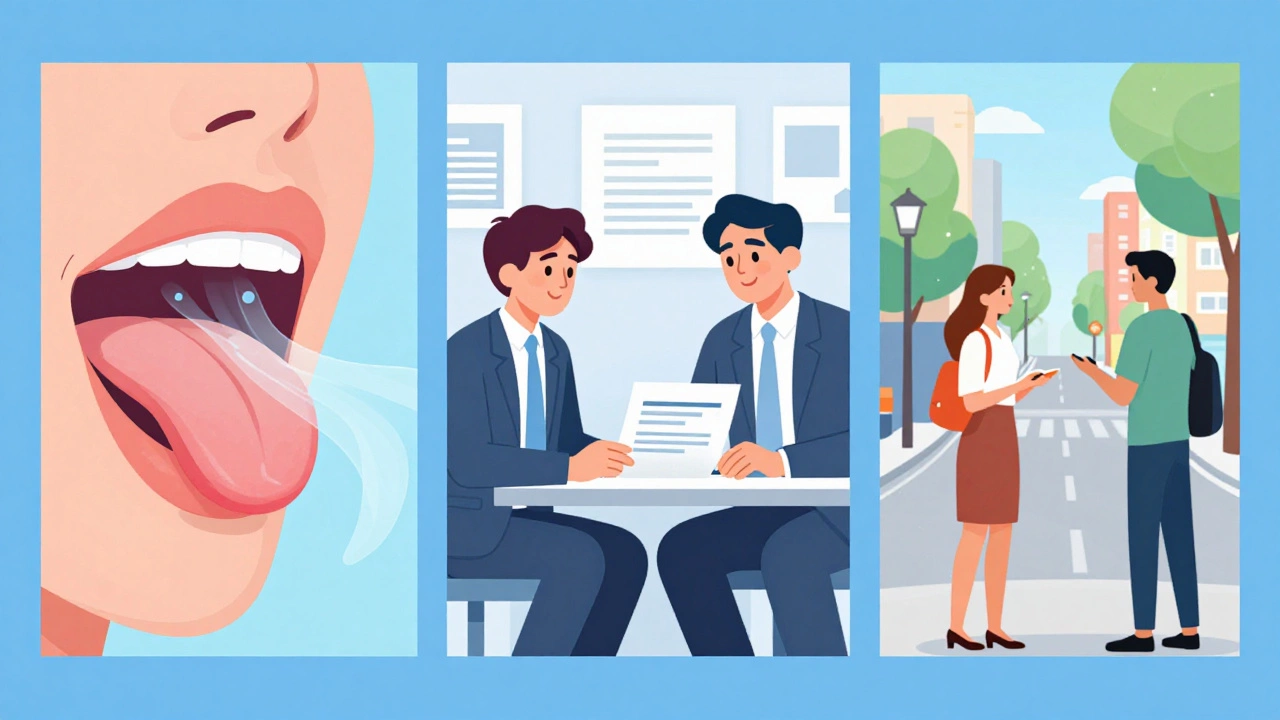
Pronunciation is often the biggest hurdle for non-native speakers. If your goal is to be easily understood by Americans or to reduce your accent, these channels focus specifically on the mechanics of speech.
Pronunciation with Eric is a channel dedicated entirely to helping learners master the American accent through detailed phonetic breakdowns. Eric uses visual aids to show mouth positions and tongue placement. He explains concepts like schwa sounds, linking, and stress patterns in depth. If you struggle with being misunderstood due to unclear enunciation, this channel is invaluable.
Speak English With Vanessa is a channel featuring Vanessa, a certified teacher who focuses on natural American English usage. Vanessa doesn't just teach words; she teaches how Americans actually speak. She covers slang, idioms, and cultural nuances that textbooks miss. Her conversational style makes you feel like you are having a chat with a friend, which reduces anxiety around speaking.
Channels for Business and Professional English
Learning English for work requires a different set of skills. You need to know how to write professional emails, conduct meetings, and negotiate deals. These channels cater specifically to professionals.
BizEdu is a channel focused on business English, offering simulations of office scenarios and professional communication tips. Hosted by Michael, a former corporate trainer, the content is highly relevant for employees working in multinational companies. He covers topics like giving presentations, handling difficult clients, and understanding corporate jargon.
English with Jennifer is a channel that blends general English with professional development advice. Jennifer provides practical scripts for common workplace situations. Her videos are concise and actionable, making them easy to fit into a busy schedule.
Fun and Immersive Learning Channels
Sometimes, studying feels like a chore. These channels make learning enjoyable by using storytelling, comedy, or immersive experiences. They are great for maintaining motivation.
Easy English is a street-interview style channel where hosts ask random people in English-speaking countries about their lives. This is pure immersion. You hear real people talking at natural speeds, with background noise and interruptions. It trains your ear to understand diverse accents and spontaneous speech. Subtitles are provided, allowing you to read along as you listen.
DramaFever is a channel that produces short dramatic stories designed for language learners. By following engaging plots, you absorb vocabulary in context. Story-based learning helps with retention because your brain connects new words to emotions and narratives rather than isolated lists.

How to Choose the Right Channel for You
Not all channels are created equal, and what works for one person may not work for another. Here is a quick decision framework:
- Identify your level: Beginners should stick to channels with clear subtitles and slow speech (e.g., MmmEnglish). Advanced learners can tackle faster-paced content like Easy English.
- Define your goal: Are you taking an exam? Focus on BBC Learning English or English with Lucy. Do you need to travel? Prioritize pronunciation channels like Pronunciation with Eric.
- Check consistency: Look for channels that upload regularly. Consistent practice is key to language acquisition. A channel that posts once a month is less useful than one that posts weekly.
- Test engagement: Watch three videos from a potential favorite. Do you enjoy the teacher's personality? Do you understand their explanation style? If not, move on.
Creating a Study Plan with YouTube
Watching videos passively will not make you fluent. You must engage actively. Here is a simple routine:
- Select a topic: Choose a video related to your interests or current study unit.
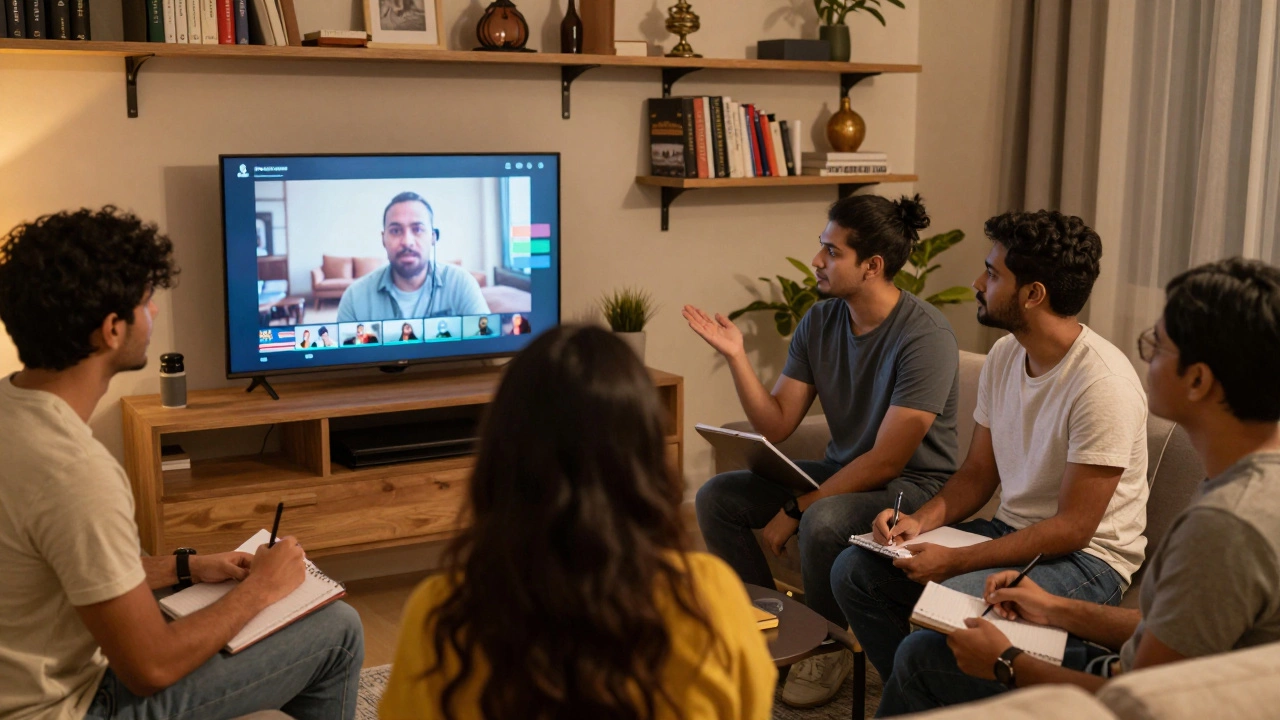
- First watch: Watch without subtitles to test your listening comprehension.
- Second watch: Watch with subtitles to catch missed words and phrases.
- Note-taking: Write down five new words or expressions. Create example sentences using them.
- Shadowing: Pause the video and repeat what the speaker said, mimicking their intonation and speed.
- Review: Revisit your notes after two days to reinforce memory.
Combine multiple channels for a balanced diet. For example, use BBC Learning English for vocabulary, Pronunciation with Eric for accent training, and Easy English for listening practice. This multi-channel approach ensures you develop all four skills: reading, writing, listening, and speaking.
Common Pitfalls to Avoid
Many learners fall into traps that hinder progress. One common mistake is switching channels too frequently. Loyalty to a few trusted sources allows you to build familiarity with their teaching methods and terminology. Another pitfall is relying solely on entertainment content. While watching movies or vlogs in English is helpful, it lacks the explicit instruction needed to correct errors. Always balance passive consumption with active study.
Also, beware of 'quick fix' promises. No channel can make you fluent in a week. Language learning is a marathon, not a sprint. Set realistic expectations and celebrate small victories, like understanding a full video without subtitles or successfully using a new idiom in conversation.
Which channel is best for beginners?
MmmEnglish and English with Lucy are excellent for beginners due to their clear explanations and visual aids. Start with their playlists labeled 'Beginner' or 'A1/A2 Level' to ensure the content matches your proficiency.
Can I learn English only from YouTube?
You can achieve a high level of proficiency, but speaking practice with real people is essential. YouTube provides input, but you need output opportunities, such as language exchange partners or tutors, to refine your speaking skills.
Are British or American English channels better?
Neither is inherently better. Choose based on your target audience or personal preference. If you plan to live in the US, American channels like Speak English With Vanessa are more relevant. For the UK or Australia, British/Australian channels like English with Lucy or MmmEnglish are preferable.
How often should I watch English learning videos?
Consistency beats intensity. Aim for 15-30 minutes daily rather than three hours once a week. Daily exposure keeps the language fresh in your mind and builds habits more effectively.
Do I need to subscribe to all these channels?
No. Subscribe only to 2-3 channels that resonate with your learning style and goals. Too many subscriptions can lead to information overload and distraction. Quality over quantity is key.