Background Checks: What They Are and Why They Matter in Education and Jobs
When you hear background checks, a process used to verify a person’s criminal, employment, or educational history before hiring or admitting them. Also known as pre-employment screening, it’s not just about finding red flags—it’s about making sure the people teaching your kids, managing your data, or leading your team can be trusted. In India’s growing education sector, where institutions like SJVPM connect students with B.Ed programs and teaching roles, background checks are becoming standard—not because they’re invasive, but because they’re necessary.
Most criminal record checks, a part of background checks that look for past convictions or pending legal cases are done through police verification, especially for teaching positions. Schools and colleges don’t just want someone who passed a degree—they want someone who won’t put students at risk. A teacher with a clean record isn’t just a legal requirement; it’s a promise of safety. Meanwhile, education verification, the process of confirming someone’s academic qualifications is just as important. We’ve all seen stories of fake degrees being used to land jobs. Verifying a B.Ed certificate or a teaching license stops that before it starts.
It’s not just about hiring. employment verification, checking past job roles, dates, and performance helps institutions avoid hiring someone who left a previous school under questionable circumstances. In education, trust is everything. A single bad hire can damage a school’s reputation for years. That’s why even volunteer roles in community education programs now often require basic checks. It’s not about suspicion—it’s about responsibility.
You might think background checks are only for big companies or government schools, but that’s changing fast. Private coaching centers, online learning platforms, and even ed-tech startups in India are starting to run them. Why? Because students and parents are asking questions. They want to know who’s teaching their children. They want proof. And institutions that skip this step aren’t just cutting corners—they’re risking their credibility.
What’s included in a typical check? It varies. At minimum: identity confirmation, criminal history, and academic credentials. For teaching roles, some also check for past disciplinary actions or child protection violations. It’s not about digging up every detail—it’s about confirming the basics. And in a country where over 20 million students enter the education system every year, those basics matter more than ever.
There’s no law in India that forces every school to do background checks, but the guidelines from the National Council for Teacher Education (NCTE) strongly recommend them. And institutions that follow them? They see fewer problems, fewer lawsuits, and more trust from families. It’s not a hurdle—it’s a shield.
Below, you’ll find real examples of how background checks connect to education, jobs, and safety in India. From how a fake degree gets caught to why a teacher’s past matters in a classroom, these posts show you what’s really at stake—and what you should ask before you sign up.
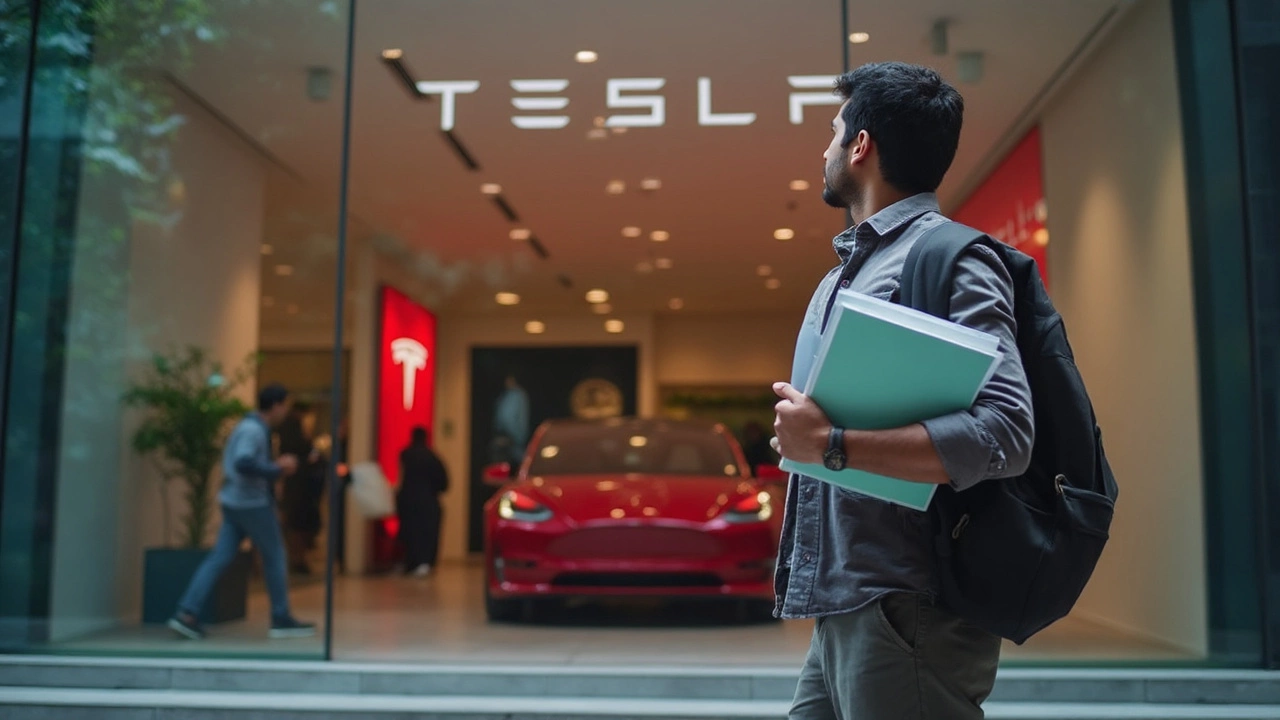
Does Tesla Hire Felons? What Job Seekers Need to Know
Jun 21, 2025 / 0 Comments
Wondering if Tesla hires people with a criminal record? This article digs into Tesla's actual practices, what kinds of jobs might be open, and what you can expect during their background check process. You'll learn about real attempts by felons to join Tesla and what stands out in their stories. If you're prepping for a new start or just curious, you’ll walk away with practical tips and the straight facts—no sugarcoating. Get answers that can help you decide your next move.
READ MORE