CBSE vs State Board: Which One Gives You the Edge in India?
When it comes to school education in India, the CBSE board, the Central Board of Secondary Education, a national-level board that standardizes curriculum across India and aligns with major entrance exams like JEE and NEET. Also known as Central Board, it’s the go-to choice for families aiming for engineering, medicine, or government jobs. But millions of students are on state boards, regional education systems like Maharashtra State Board, UP Board, or Tamil Nadu State Board that follow local syllabi and often focus more on regional language and culture. So which one actually gives you the upper hand? It’s not about which is "harder"—it’s about which one prepares you for the next step.
The real difference shows up when you start prepping for competitive exams. CBSE syllabus matches almost exactly with JEE Main, NEET, and other national tests. That’s not an accident. CBSE designs its textbooks and exam patterns with those exams in mind. If you’re in a state board, you might be learning the same science topics—but often in a different order, with different emphasis, and sometimes even different terminology. That gap can cost you months of extra prep time. And when colleges look at your 12th board marks, many top universities weigh CBSE scores more heavily simply because they’re standardized across the country. State boards vary wildly in difficulty and marking. One state’s 90% might equal another’s 75%. CBSE? It’s the same everywhere.
But here’s the truth: state boards aren’t bad. They often give you deeper writing skills, stronger command of your mother tongue, and more flexibility in how you learn. If you’re not aiming for IIT, AIIMS, or a central university, a state board can be perfectly fine—even better if you’re planning to study locally. But if your goal is national-level competition, you’re playing on uneven ground. That’s why so many families in state board regions shift to CBSE by Class 9 or 10. Or hire extra tutors to bridge the gap. The system doesn’t care where you started—it only cares where you end up.
What you’ll find below are real stories, data, and breakdowns from students who’ve walked both paths. We’ve pulled insights from posts that compare board difficulty, analyze exam alignment, and reveal which board actually opens more doors. No fluff. Just what works, what doesn’t, and why your board choice matters more than you think.
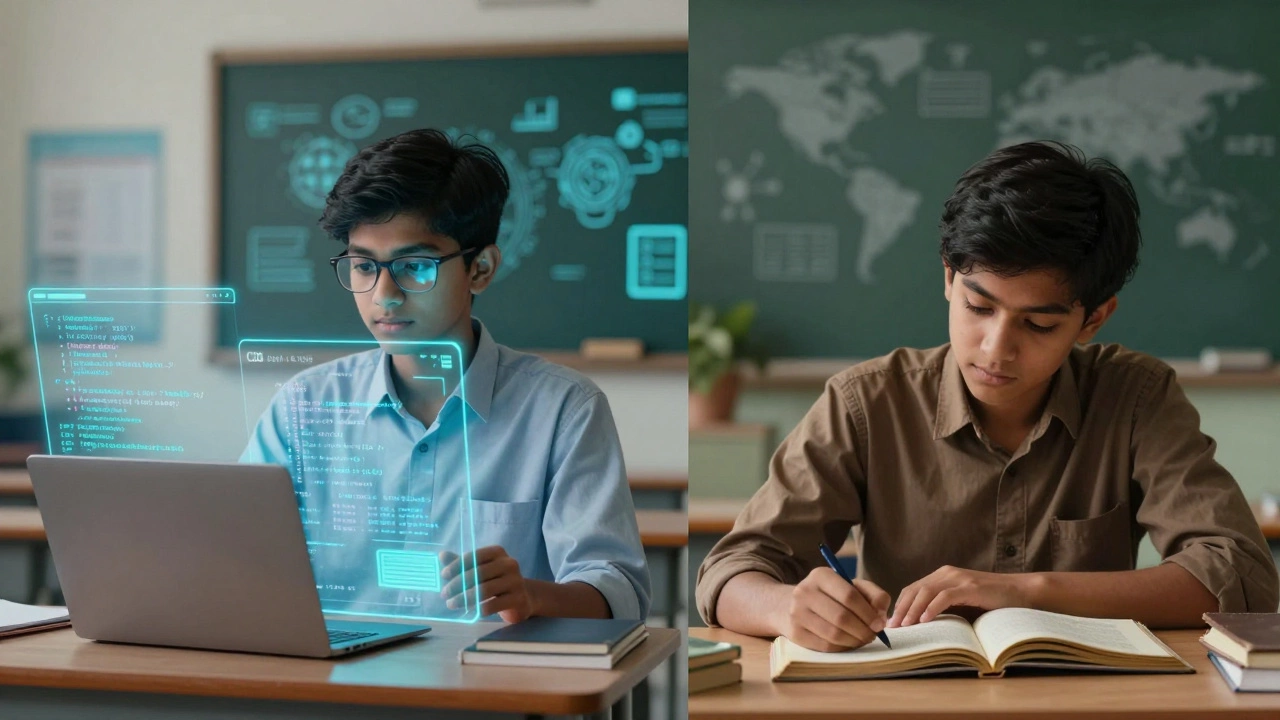
Which Board Is Best for the Future? CBSE vs State Boards in 2025
Dec 5, 2025 / 0 Comments
In 2025, CBSE is the best school board for the future due to its updated syllabus, digital learning tools, and alignment with global education and career paths. State boards lag in tech integration and exam readiness.
READ MORERECENT POSTS
- JEE: Which Subject Is Most Important? Expert Guide for IIT Aspirants
- Is Coding a Hard Job? Truths, Challenges & How to Thrive
- How to Train Yourself to Speak English Fluently
- How to Train Your Brain to Speak Fluent English: Simple Steps for Real Results
- Why Did NV Sir Join Byju's? NEET Coaching Gets a Game-Changer