JEE Advanced: What It Takes to Crack India's Toughest Engineering Entrance
When you hear JEE Advanced, India's most competitive engineering entrance exam that determines admission to the Indian Institutes of Technology (IITs). Also known as IIT JEE, it's not just another test—it's the filter that separates the top 2% of aspirants from the rest. Unlike JEE Main, which is broader and more standardized, JEE Advanced tests depth, speed, and problem-solving under pressure. It doesn’t care if you memorized formulas—it wants to see if you can twist them, break them, and rebuild them in under three minutes.
This exam doesn’t exist in a vacuum. It’s shaped by the board you studied under—CBSE, the most aligned board with JEE syllabus and exam pattern—and how well you’ve mastered physics, chemistry, and math. Top scorers don’t study more hours; they study smarter. They know which topics carry the most weight—like thermodynamics in chemistry or electromagnetism in physics—and they train their brains to spot patterns fast. Sleep isn’t a luxury here. Cutting corners on rest doesn’t make you tougher—it makes you slower, forgetful, and prone to silly mistakes when the clock is ticking.
And it’s not just about academics. The pressure comes from everywhere—family expectations, peer competition, coaching institute rankings. But the real winners are the ones who treat JEE Advanced like a marathon with checkpoints, not a sprint to the finish. They build routines, track progress, and adjust before burnout hits. They know that a 7-hour sleep night beats a 12-hour study night with half the retention. They understand that the IIT branch salary, the earning potential tied to your chosen engineering stream, isn’t just about the college name—it’s about how well you perform in this exam.
What you’ll find below are real stories, hard data, and practical tips from students who’ve been there. From how much sleep actually helps your score, to which subjects give you the most bang for your study time, to why CBSE students often have an edge—every post here is pulled from the trenches of JEE preparation. No fluff. No theory. Just what works when the stakes are highest.

Which IIT subject is best for JEE preparation?
Dec 19, 2025 / 0 Comments
There's no single best subject for IIT JEE - success comes from balanced preparation. Learn how to prioritize Math, Physics, and Chemistry for maximum score gain and avoid common mistakes that cost students their ranks.
READ MORE
How Many IITs Are There in India in 2025? Full List, Locations, and Admission Guide
Sep 19, 2025 / 0 Comments
Answer in one line: 23 IITs in India. Get the full 2025 list, locations, oldest/newest IITs, admission path (JEE Main/Advanced → JoSAA), plus smart tips to choose IIT vs branch.
READ MORE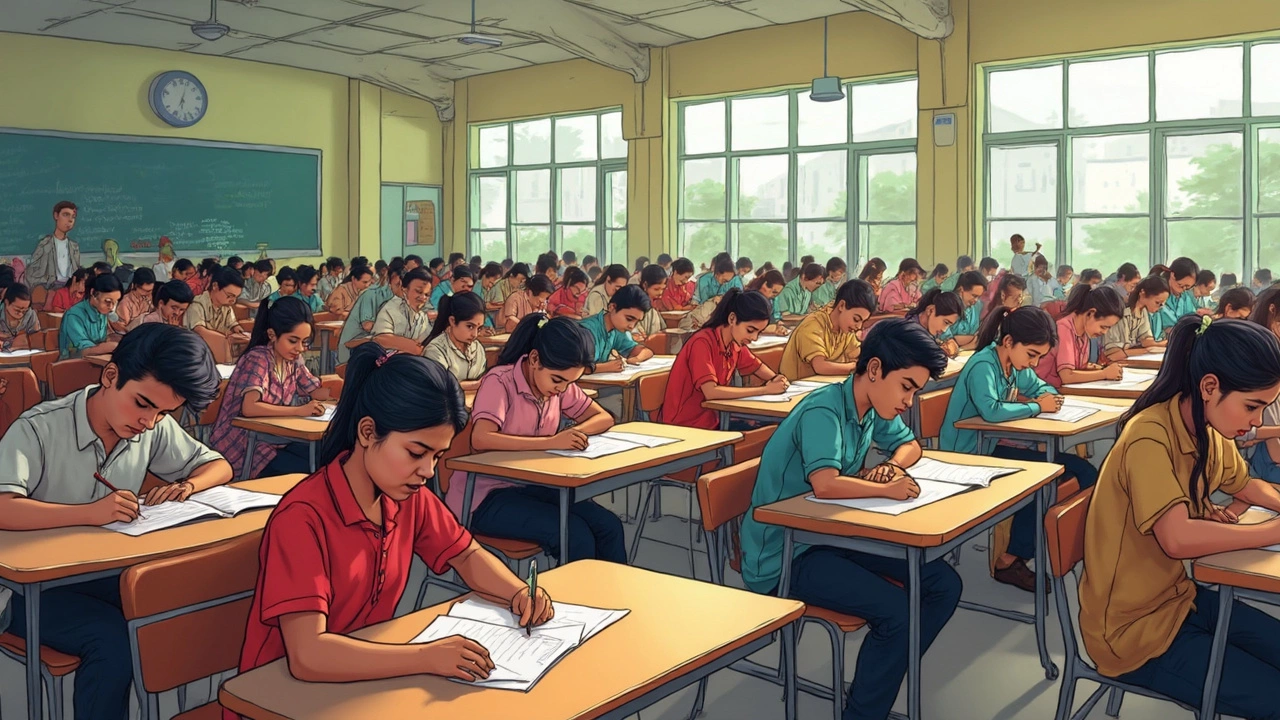
JEE Mains vs. JEE Advanced: What's the Big Diff?
Apr 1, 2025 / 0 Comments
JEE Mains and JEE Advanced are two of the most crucial exams for aspiring engineers in India. While they're often mentioned together, there's a world of difference between them. JEE Mains is your gateway to a variety of engineering colleges, but if you're eyeing the prestigious IITs, JEE Advanced is your next hurdle. Understanding their distinct focus and format could make or break your study strategy. Let's explore their nuances for a better preparation plan.
READ MORERECENT POSTS
- How to Speak English Fluently: Tips for Mistake-Free Conversations
- Top Platforms for Online Learning in 2024
- JEE Mains vs. JEE Advanced: What's the Big Diff?
- Does Mental Ability Matter in JEE Mains? What Really Gets You Through
- Can CBSE Students Get into Harvard? Your Complete Guide to CBSE and Harvard Admission