Programming for Beginners: What to Learn First and How to Start
When you start programming for beginners, the process of writing instructions computers can follow to solve problems or automate tasks. Also known as coding, it’s not about memorizing syntax—it’s about learning how to think step by step, break down problems, and build solutions with logic. You don’t need a computer science degree. You don’t need to be a math genius. You just need to start.
The real question isn’t can you learn programming—it’s which path gets you results fastest. Based on what actually works for people starting out, Python, a simple, readable language used for web apps, data analysis, and automation is the top choice for beginners. It reads like plain English, has a huge community, and powers everything from websites to AI tools. JavaScript, the language that makes websites interactive is another strong option if you want to build things you can see right away in your browser. And if you’re under 18 or just want to play with visuals, Scratch, a drag-and-drop visual programming tool designed for learning logic can be a great warm-up.
What matters more than the language is what you do after you write your first line. Most beginners get stuck because they watch videos or read tutorials without building anything. The jump from learning to doing is where real progress happens. Build a simple calculator. Make a to-do list that saves on your phone. Change the color of a button on a webpage. These small wins build confidence and muscle memory. You’ll find that programming for beginners isn’t about knowing everything—it’s about knowing how to find answers when you’re stuck.
And yes, it leads to jobs. People with no college degree are landing roles as web developers, IT support, and automation specialists after learning these skills online. You don’t need to wait for a degree to start earning. Real employers care more about what you can build than where you went to school. That’s why the posts below cover real salaries, job-ready courses, and paths that actually work—no fluff, no hype, just what’s happening right now in 2025.
Below, you’ll find clear answers to the most common questions beginners ask: Which language should you learn first? How much can you make? Do you need a degree? How do you stay motivated? We’ve pulled together the most practical, no-nonsense guides from real people who started exactly where you are now. No theory. No lectures. Just what works.
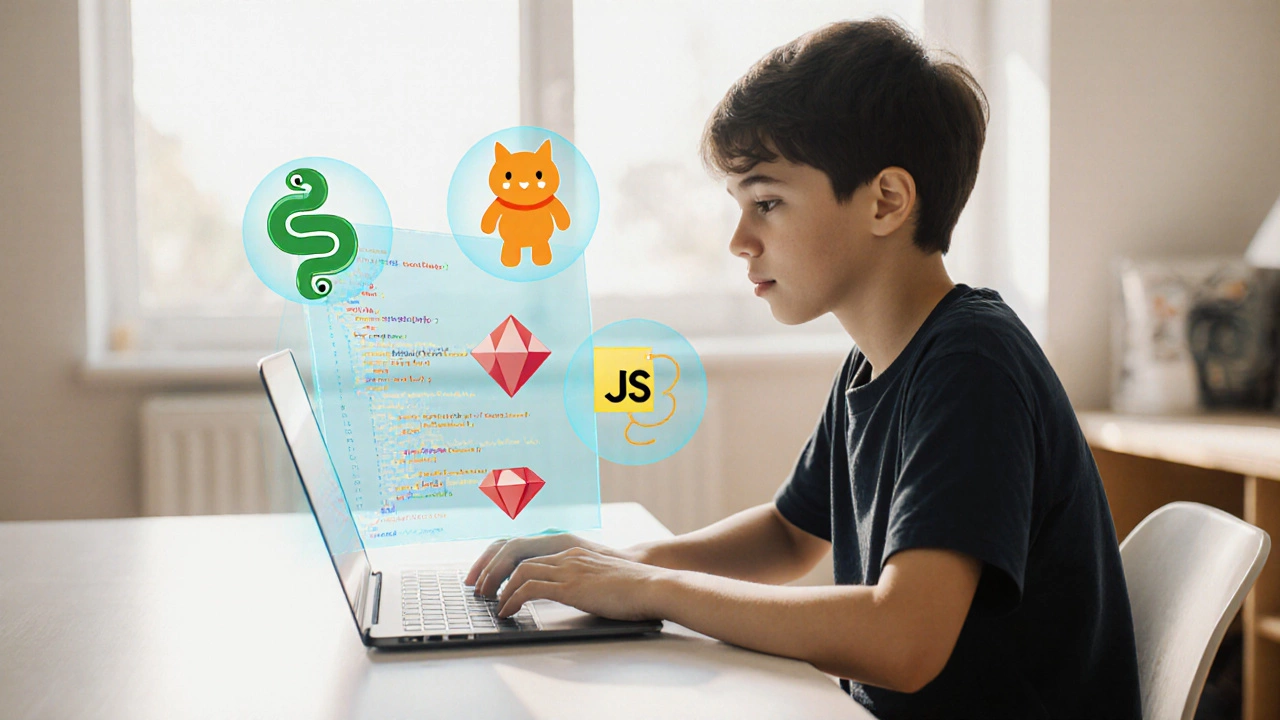
Easiest Programming Language for Beginners - 2025 Guide
Oct 21, 2025 / 0 Comments
Discover the easiest programming language for beginners in 2025. Compare Python, Scratch, JavaScript, Ruby and more, with setup tips, pitfalls, and next steps.
READ MORE
Can Beginner Coders Make Money Fast in 2025?
Feb 11, 2025 / 0 Comments
Many people are curious if beginners can actually make money from coding. With the growing demand for tech skills, coding offers various opportunities even for newbies. It isn’t just about writing code; it’s about finding the right niche and understanding what the market needs. This article explores how novice coders can enter the freelance market, create small projects, and leverage online platforms to make a buck while learning. Practical tips provide a road map for those looking to turn coding from curiosity to currency.
READ MORERECENT POSTS
- Who Is the Highest-Paid Doctor in India? Inside the Earnings of Top NEET Success Stories
- The Real Challenges of eLearning
- Can CBSE Students Get into Harvard? Your Complete Guide to CBSE and Harvard Admission
- LMS Meaning: What Exactly Does LMS Stand For in Modern Learning?
- Online Courses That Can Boost Your Salary in No Time