Zoom: Video Calling Tools for Learning, Work, and Education in India
When you join a live class, attend a job interview, or connect with a tutor from another city, you’re likely using Zoom, a video conferencing platform that connects people in real time over the internet. Also known as Zoom Video Communications, it’s become one of the most common ways students and teachers in India stay connected—especially after the pandemic changed how education works. It’s not just for schools. Coaching centers for JEE and NEET, MBA aspirants preparing for group discussions, and even government training programs now rely on Zoom to reach learners across the country.
But Zoom isn’t the only tool in the room. Many platforms like Google Classroom, Microsoft Teams, and even YouTube Live are used for similar purposes. What makes Zoom stand out? It’s simple. You don’t need to download anything to join a meeting. You just click a link. That’s why it’s popular in rural areas with slow internet—where other platforms might lag or crash. Teachers use it to share screens, record lectures, and even run quizzes. Students use it to ask questions without raising their hands. And employers use it to hire remotely, cutting down on travel and time.
Still, Zoom has limits. If your internet is weak, the video freezes. If too many people join, the call gets noisy. Some schools in India now mix Zoom with WhatsApp for sharing notes and recordings because it’s lighter on data. Others use recorded videos instead of live calls to save bandwidth. The real question isn’t whether Zoom works—it’s whether it’s the right tool for your situation. For a JEE aspirant studying alone? Maybe not. For a B.Ed student doing peer teaching practice? Perfect.
Below, you’ll find real stories and data from Indian users who’ve used Zoom for learning, teaching, and job training. Some saved money. Others lost focus. A few turned Zoom into a side income by running paid online classes. You’ll see how it fits into bigger trends—like the rise of digital learning platforms, the demand for remote jobs, and the push for better online education policies in India. No fluff. Just what works, what doesn’t, and why it matters to you right now.
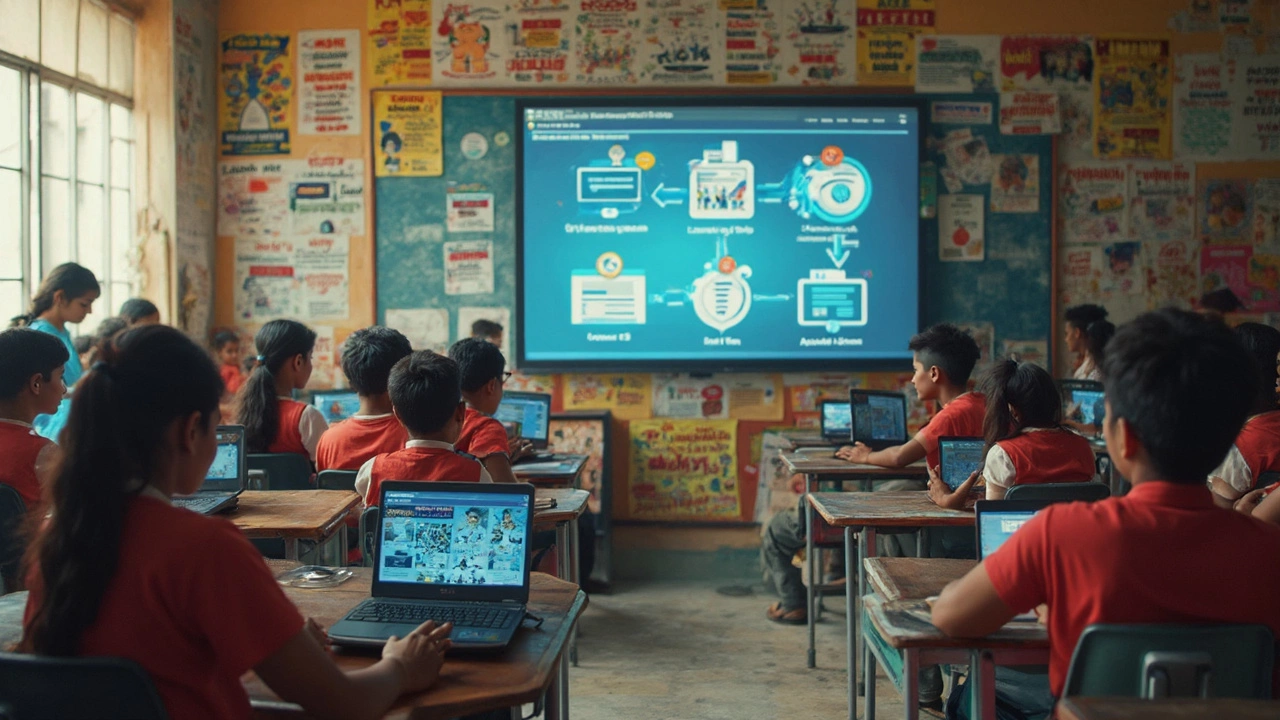
Most Used Platform for Online Classes: What Dominates E-Learning?
May 28, 2025 / 0 Comments
This article looks at which platform is actually leading the way for online classes right now. It breaks down real usage numbers, shows how different kinds of students and teachers pick their tools, and gives some practical tips for anyone who wants to get started or improve their online learning. You’ll learn what features matter most for students, teachers, and organizations. Plus, there are facts and insights on why some platforms beat out others. The goal is to help you make smart choices about online learning tools.
READ MORERECENT POSTS
- What is the best to study for NEET? Subject-wise strategy and high-yield topics
- Best Online Courses to Get a Job Fast in 2025
- JEE Mains vs. JEE Advanced: What's the Big Diff?
- How to Start a Successful Career in Government: Guide for Beginners (2025)
- Is it Hard to Get Fired From a Government Job? The Truth About Job Security