Classroom Education
When we talk about classroom education, a structured form of learning where students and teachers interact face-to-face in a physical space. Also known as in-person learning, it’s the system most parents, teachers, and students grew up with—and for many, it’s still the gold standard. It’s not just about sitting in rows and listening to a lecture. Real classroom education depends on timing, feedback, body language, and the unspoken rules of group dynamics. A teacher notices when a student’s eyes glaze over. A classmate asks a question that sparks a whole new discussion. These moments don’t happen on a screen.
Classroom education requires teacher-student interaction, the direct, two-way exchange of ideas, questions, and corrections that drives understanding. It’s not just about delivering content—it’s about reading confusion, adjusting pace, and building trust. That’s why even in a world full of online courses and AI tutors, schools in India still rely on this model. Look at the data: students preparing for JEE or NEET often thrive in structured classrooms because they need discipline, peer pressure, and immediate help. Online learning might be flexible, but it doesn’t replace the accountability of showing up every day to a room full of people who expect you to be there.
It’s also about access. In rural India, a classroom might be the only place a child gets consistent meals, clean water, or a qualified teacher. Even in cities, not every family can afford tablets, reliable Wi-Fi, or quiet study spaces. Classroom education levels the playing field. It doesn’t matter if your parents can’t help with homework—you still get the same lesson, same notes, same chance to ask. That’s why CBSE and ICSE schools, despite their differences, both hold onto the classroom as core. And while platforms like Google Classroom try to mimic it, they’re still just tools—supplements, not replacements.
Some say classroom education is outdated. But if you’ve ever sat through a 3-hour study session with friends, solved a tough math problem together, or had a teacher pull you aside after class because they noticed you were struggling—you know it’s not about the walls or the chalkboard. It’s about human connection. That’s why the most successful learners, whether they’re aiming for an MBA or a coding job, still value the structure, rhythm, and support of a real classroom. You’ll find posts here that dig into how classroom learning compares to online courses, what it takes to make it work for JEE aspirants, and why some of the highest-paying jobs still start with someone standing in front of a whiteboard.
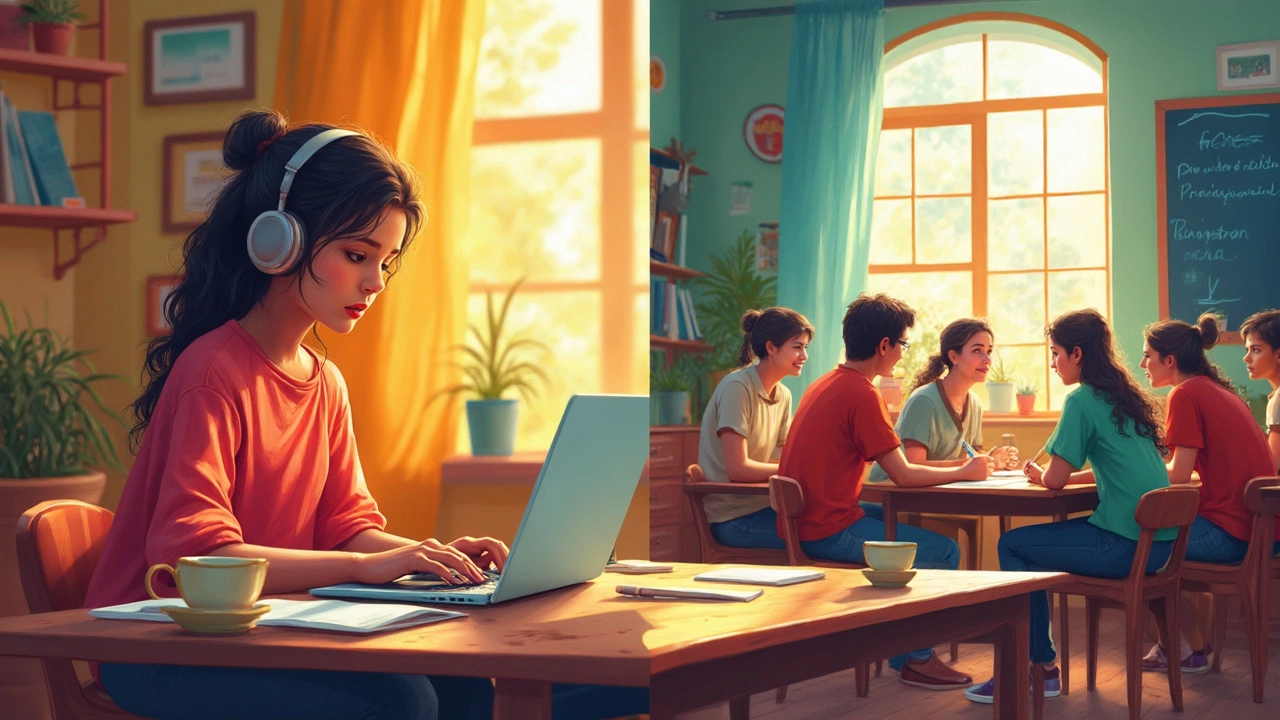
Distance Learning vs Classroom: Which Works Better for You?
Jun 7, 2025 / 0 Comments
Deciding between distance learning and traditional classroom education isn’t just about convenience. Both options have big pros and cons, from how you manage your time to the way you connect with classmates and teachers. This article walks you through real differences people experience, with tips on making the right pick for your learning style. You’ll find out how tech, habits, and even your own personality influence which method makes sense. Get ready for some honest insights before you choose your next lesson.
READ MORE