Remote Learning: What It Is, How It Works, and What You Can Achieve
When you think of remote learning, a way to access education from anywhere using digital tools without needing to be in a physical classroom. Also known as online learning, it’s no longer just for college students—it’s how nurses get certified, coders build portfolios, and factory workers upgrade skills while keeping their jobs. This isn’t about watching videos on YouTube. Real remote learning means structured courses, deadlines, feedback, and often, credentials that employers recognize.
What makes remote learning stick? It’s not the platform—it’s the design. A good e-learning platform, a digital system built to deliver, track, and support education online gives you clear goals, interactive tasks, and ways to ask questions. It’s not just Google Classroom or Zoom. It’s systems that track your progress, remind you of deadlines, and let you retry quizzes until you get it right. And if you’re serious about getting a job, you need platforms that connect learning to real work—like those that offer internships, project feedback, or even job placements.
Remote learning works best when it’s tied to something you care about. Want to earn more? Then learn skills employers actually pay for—like coding, data entry, or digital marketing. That’s why posts here cover how to turn learning into income, which online courses actually lead to jobs, and how to pick platforms that pay you back. You’ll find guides on what to study for NEET, how to get hired without a degree, and which coding languages give you the fastest start. No fluff. Just what works.
And it’s not just about the tech. It’s about habits. You can’t just log in and hope it sticks. You need routines, focus, and sleep—yes, sleep. One post breaks down how JEE aspirants actually need 7–8 hours of rest to remember what they study. Another shows how to learn English fast—not by memorizing grammar, but by listening to real conversations and repeating them. Remote learning demands self-discipline, and the best resources here show you how to build it without burning out.
There’s no one-size-fits-all path. Some people learn best with video lectures. Others need hands-on projects. Some need certificates. Others just need to prove they can do the work. That’s why this collection covers everything from the simplest college courses to the highest-paying jobs you can get without a degree. Whether you’re a 12th grader looking for alternatives to NEET, a working parent trying to upskill, or someone tired of traditional education, you’ll find real examples—not theories.
Remote learning is here to stay. But not all of it is worth your time. Below, you’ll find posts that cut through the noise. They tell you what actually gets you hired, what platforms pay you back, and how to learn without wasting months on dead-end courses. No sales pitches. No fake success stories. Just what works—right now.
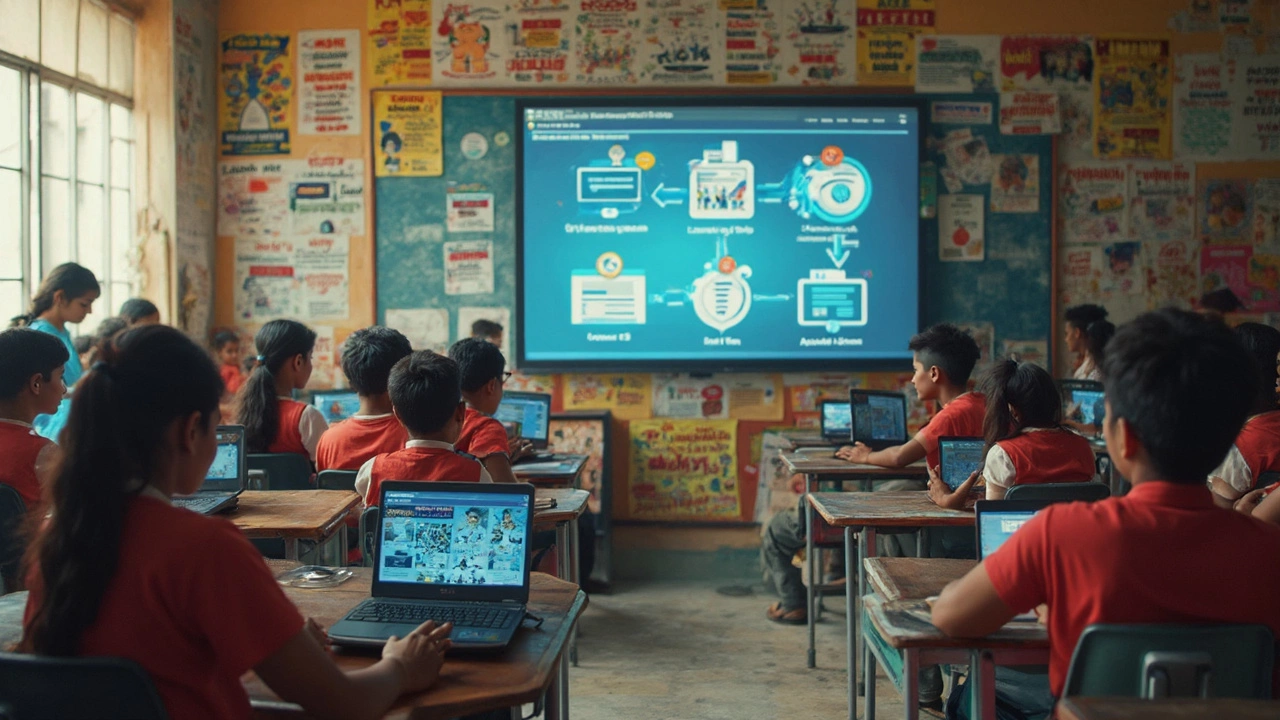
Most Used Platform for Online Classes: What Dominates E-Learning?
May 28, 2025 / 0 Comments
This article looks at which platform is actually leading the way for online classes right now. It breaks down real usage numbers, shows how different kinds of students and teachers pick their tools, and gives some practical tips for anyone who wants to get started or improve their online learning. You’ll learn what features matter most for students, teachers, and organizations. Plus, there are facts and insights on why some platforms beat out others. The goal is to help you make smart choices about online learning tools.
READ MORERECENT POSTS
- Best Bachelor’s Degree to Become a CEO - 2025 Guide
- Hardest Board Exams in the World: Which is the Toughest to Crack?
- Does Mental Ability Matter in JEE Mains? What Really Gets You Through
- Who Is the Highest-Paid Doctor in India? Inside the Earnings of Top NEET Success Stories
- Fastest Growing Digital Platform: E-Learning's Breakout Star