CBSE School Selector Quiz
Answer these questions to see how well the Central Board of Secondary Education (CBSE) aligns with your family's goals.
Question 1: Family Mobility
How often does your family relocate for work or personal reasons?
Question 2: Academic Goals
What are your primary long-term academic objectives for your child?
Question 3: Syllabus Preference
Which approach to learning materials do you prefer?
Analysis Complete
You have probably heard your neighbors or relatives talking about CBSE when they discuss where to send their kids for school. Maybe you are moving cities for a job and need a curriculum that travels with you. Or perhaps you are just confused by the alphabet soup of Indian education boards like ICSE, State Boards, and IB. The truth is, understanding what makes a school "CBSE" isn't just about knowing an acronym; it's about grasping how this specific framework shapes your child's learning journey from Class 1 to Class 12.
CBSE, which stands for the Central Board of Secondary Education, is a national-level board of education in India. It was established in 1952 and currently oversees more than 27,000 affiliated schools across the country and abroad. Unlike state boards, which vary wildly from Kerala to Rajasthan, CBSE offers a standardized curriculum based on NCERT textbooks. This uniformity is its biggest selling point for families who move frequently or those aiming for competitive exams like JEE and NEET.
The Core Identity: What Makes a School CBSE?
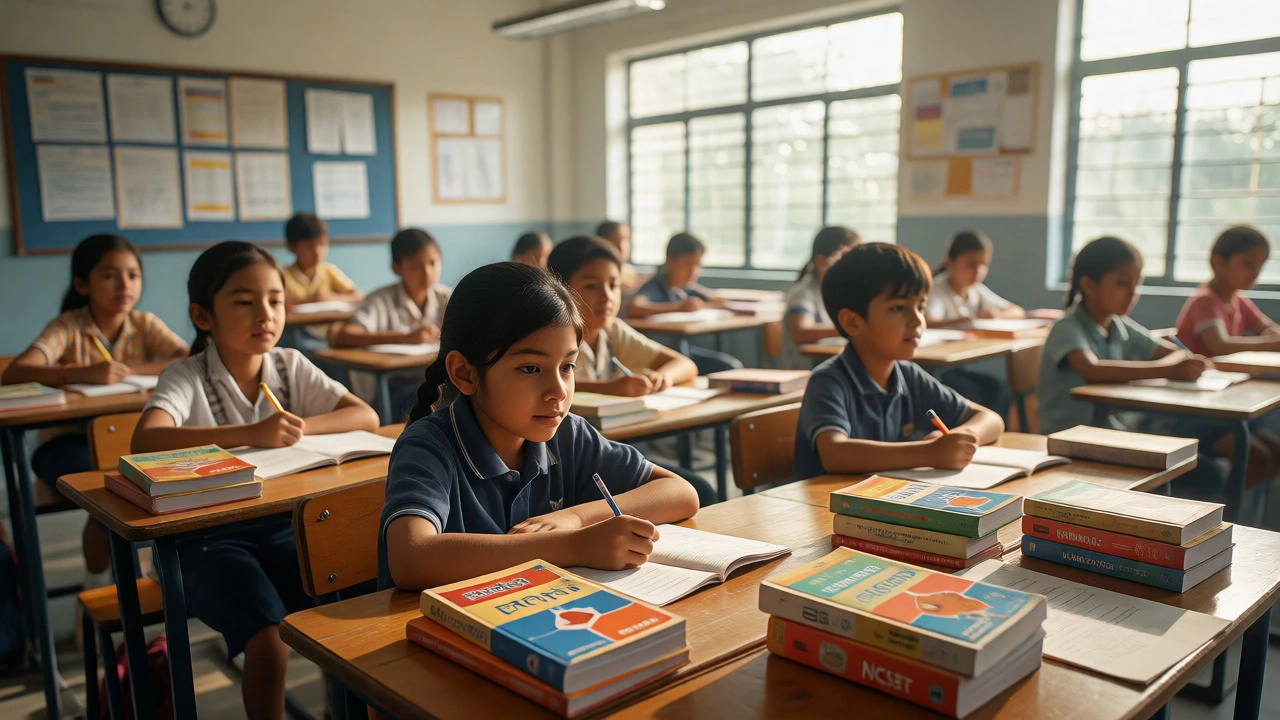
A school doesn't just decide to be "CBSE." It must be affiliated with the Central Board of Secondary Education. This affiliation means the school follows a specific set of rules regarding teacher qualifications, infrastructure, and, most importantly, the syllabus. When you walk into a CBSE classroom, you will likely see students using NCERT (National Council of Educational Research and Training) books. These texts are designed to be conceptually clear and less rote-heavy than many traditional state board materials.
The board itself operates under the Government of India. Its primary role isn't just to run schools but to conduct two major examinations: the Class 10 Secondary School Examination and the Class 12 Senior School Certificate Examination. If your child studies in a CBSE school, these are the final hurdles they face before entering college. The board sets the question papers, defines the marking schemes, and issues the results. This centralization ensures that a student scoring 90% in Delhi has roughly the same academic standing as one scoring 90% in Mumbai, a consistency that state boards often struggle to maintain.
Why Parents Choose CBSE Over Other Boards
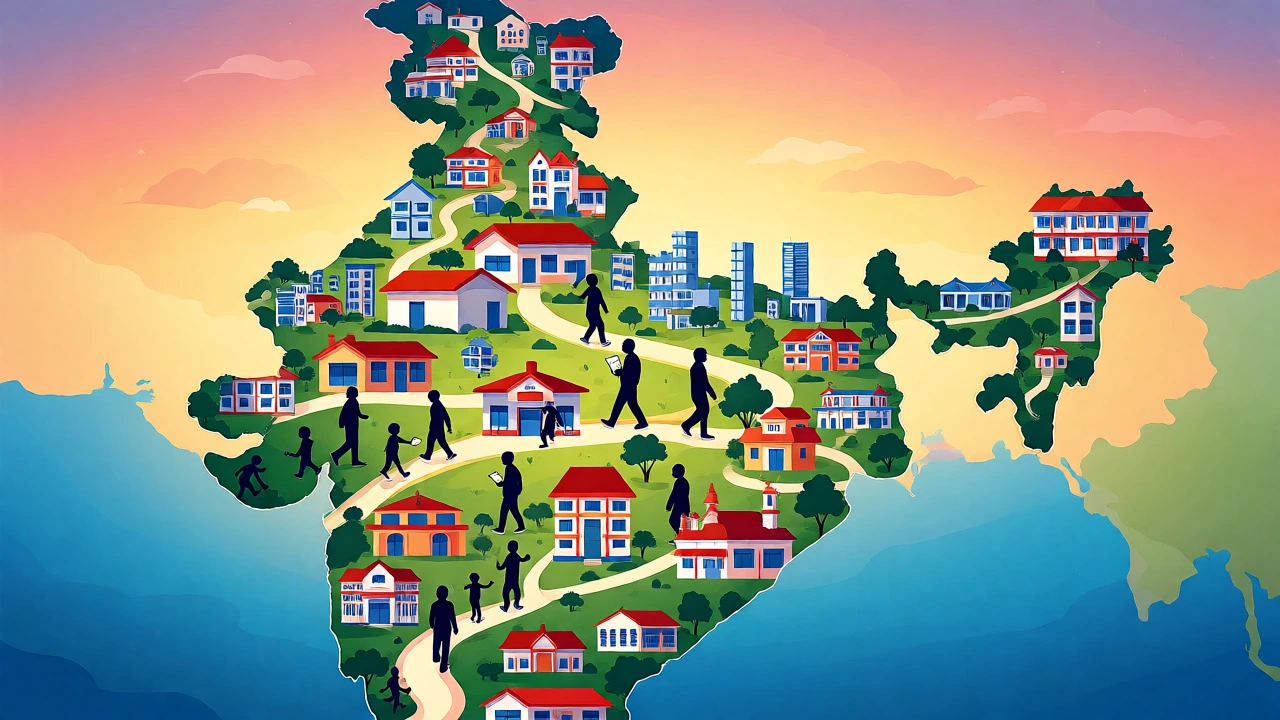
Let's be honest: no board is perfect. But CBSE has carved out a niche for three specific types of families. First, there are the transferable jobs crowd. If your spouse works for the government, defense, or a large multinational corporation, you might move every three years. Switching from a Tamil Nadu State Board to a Maharashtra State Board can be a nightmare due to different languages and teaching styles. CBSE removes that friction. The syllabus remains identical whether you are in Chennai or Chandigarh.
Second, there is the competitive exam pipeline. If you dream of your child cracking the Joint Entrance Examination (JEE) for engineering or the National Eligibility cum Entrance Test (NEET) for medicine, CBSE is the default choice. Why? Because these entrance exams are primarily based on the NCERT curriculum. While other boards teach similar concepts, they might use different reference books or emphasize topics differently. CBSE aligns directly with the source material for these high-stakes tests.
Third, there is the focus on holistic assessment. In recent years, CBSE has shifted away from pure memorization. They introduced Competency-Based Education (CBE), which emphasizes application over recall. You will see more case-based questions in exams now. For example, instead of asking "Define photosynthesis," a question might present a scenario about a plant in a dark room and ask students to predict the outcome and explain why. This prepares students better for real-world problem-solving.
Curriculum Structure: From Playgroup to Grade 12
The CBSE curriculum is divided into stages, each with distinct goals. Understanding this structure helps you know what to expect at each phase.
- Pre-Primary (Nursery to KG): Focuses on play-way methods. There are no formal exams here. The goal is socialization and basic motor skills.
- Classes 1-5: Introduction to core subjects like English, Hindi (or regional language), Mathematics, and Environmental Studies (EVS). Assessment is continuous and comprehensive, meaning grades matter more than pass/fail marks.
- Classes 6-8: Subjects split up. Science becomes Physics, Chemistry, and Biology. Social Studies splits into History, Geography, Civics, and Economics. Students start getting graded on internal assessments and periodic tests.
- Classes 9-10: The first serious academic phase. Students choose electives like Computer Science, Home Science, or Sanskrit. The Class 10 board exam is a national milestone.
- Classes 11-12: Specialization begins. Students pick streams: Science, Commerce, or Humanities. This is where the pressure mounts because Class 12 scores heavily influence college admissions.
One common misconception is that CBSE is "easy." It isn't necessarily easier than ICSE, but it is more focused. ICSE tends to have a broader, deeper syllabus with more literature and detailed science components. CBSE is leaner, sticking strictly to what is needed for foundational knowledge and competitive exams. If you want breadth, look elsewhere. If you want depth in core sciences and math aligned with national entrances, CBSE fits the bill.
Assessment Methods: Beyond the Final Exam
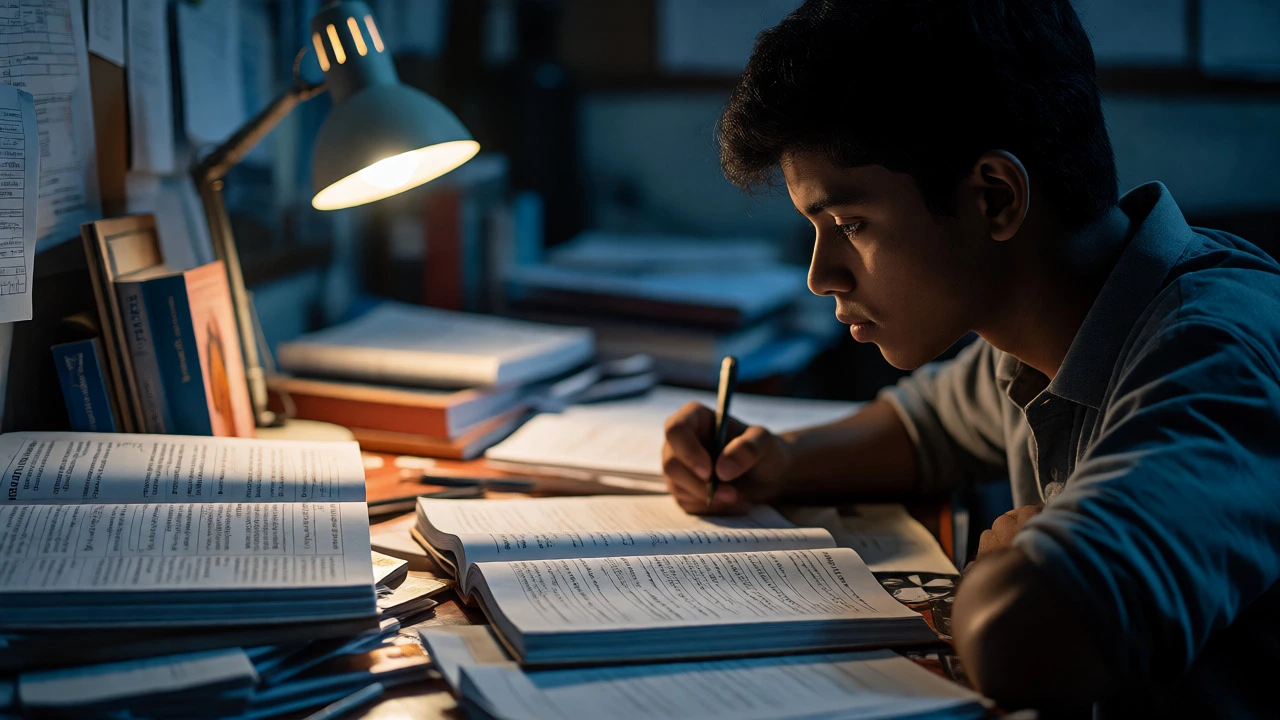
Gone are the days when your child's entire future depended on three hours in an exam hall. CBSE has revamped its evaluation system. Today, the final grade is a mix of internal and external assessments. For Classes 9 and 10, 40% of the weightage comes from internal assessments, including periodic tests, multiple-choice questions, portfolio work, and practicals. Only 60% comes from the final board paper.
This shift aims to reduce stress. It rewards consistent effort throughout the year rather than last-minute cramming. Teachers submit these internal marks to the board, and they are moderated to ensure fairness across schools. So, if your child is great at projects but bad at writing long essays, CBSE gives them a fairer shot at good grades compared to older systems.
CBSE vs. ICSE vs. State Boards: Making the Choice
To help you decide, let's break down the differences between the big players in Indian schooling. This comparison highlights where CBSE stands relative to its competitors.
| Feature | CBSE | ICSE | State Boards |
|---|---|---|---|
| Syllabus Source | NCERT Textbooks | CISCE Prescribed List | State Government Syllabus |
| Language Emphasis | Moderate; focuses on functional English/Hindi | High; extensive literature and grammar | Varies; often strong local language focus |
| Science & Math Depth | Conceptual, aligned with JEE/NEET | Detailed, theoretical, and applied | Variable; often rote-learning heavy |
| Transferability | Excellent; recognized nationally | Good; widely accepted | Poor; difficult to switch states |
| Cost | Generally Lower | Generally Higher | Lowest (Govt) to Moderate (Private) |
Notice the pattern? CBSE strikes a balance. It isn't as linguistically demanding as ICSE, which requires reading Shakespearean plays and complex poetry analysis early on. Nor is it as inconsistent as State Boards, where a textbook change can disrupt learning mid-year. For most urban families aiming for higher education in India, CBSE offers the path of least resistance.
Common Myths About CBSE Schools
Despite its popularity, myths persist. Let's bust a few.
Myth 1: CBSE schools are only for rich city kids. False. While private CBSE schools in metros charge high fees, there are thousands of affordable CBSE-affiliated schools in tier-2 and tier-3 cities. The board itself is public; the fee structure depends on the individual school's management.
Myth 2: CBSE ignores culture and history. Not true. The social studies curriculum covers Indian history, geography, and civics extensively. Critics argue it lacks regional specificity, but it provides a pan-Indian perspective, which is valuable in a diverse country.
Myth 3: You can't get into top colleges with CBSE. This is outdated. Top institutions like IITs, AIIMS, and even elite universities like Delhi University accept CBSE students without bias. In fact, since CUET (Common University Entrance Test) is now standard for many DU colleges, the alignment of CBSE with NCERT makes preparation smoother.
How to Verify a School's Affiliation
Before enrolling your child, always check if the school is genuinely affiliated. Some schools claim to follow "CBSE pattern" but aren't officially registered. Here is how you verify:
- Ask the school for their Affiliation Number.
- Visit the official CBSE website (cbse.gov.in).
- Use the "Affiliated Schools" search tool to enter the school name and number.
- Check the validity period. Affiliations expire and must be renewed. An expired affiliation is a red flag.
This simple step saves you from administrative headaches during board exam registration later.
Looking Ahead: The New Education Policy Impact
The National Education Policy (NEP) 2020 is reshaping CBSE. Expect more interdisciplinary learning. For instance, coding might be integrated into math classes from Class 6. Vocational training options are expanding in senior secondary levels. The board is also pushing for mother-tongue instruction in early years, though implementation varies by school. Keep an eye on these changes, as they affect how your child learns daily.
Choosing a school is one of the biggest decisions you will make for your family. CBSE offers stability, national recognition, and a clear pathway to competitive success. It isn't the only option, but for millions of Indians, it is the reliable backbone of their educational journey. If you value consistency and aim for national-level exams, CBSE deserves a serious look.
Is CBSE harder than ICSE?
It depends on the subject. ICSE generally has a more extensive syllabus, especially in English literature and science details, making it feel heavier. CBSE is more concise and concept-focused, aligning closely with NCERT books. Many students find CBSE easier to manage alongside coaching for competitive exams like JEE and NEET.
Can I switch my child from a State Board to CBSE?
Yes, but timing matters. Switching is easiest up to Class 8. After Class 8, the syllabus divergence becomes significant. You may need extra tutoring to bridge gaps in subjects like Science or Social Studies. Always consult with the new school's principal before transferring in higher classes.
Are NCERT books enough for CBSE Class 12?
For passing CBSE exams, yes, NCERT books are sufficient. However, for competitive exams like JEE Main or NEET, while NCERT forms the base, additional reference books and practice problems are usually recommended to handle higher-difficulty questions.
Does CBSE recognize international schools?
Yes, CBSE affiliates schools outside India, such as those in Dubai, Singapore, and Nepal. These schools follow the exact same syllabus and exam pattern as those in India, allowing students to return to India seamlessly for higher education.
What is the minimum attendance required for CBSE exams?
Students must attend at least 75% of classes held in a session to be eligible for the board exams. Exceptions are made for medical reasons or participation in sports/cultural events sanctioned by the school, provided proper documentation is submitted.